


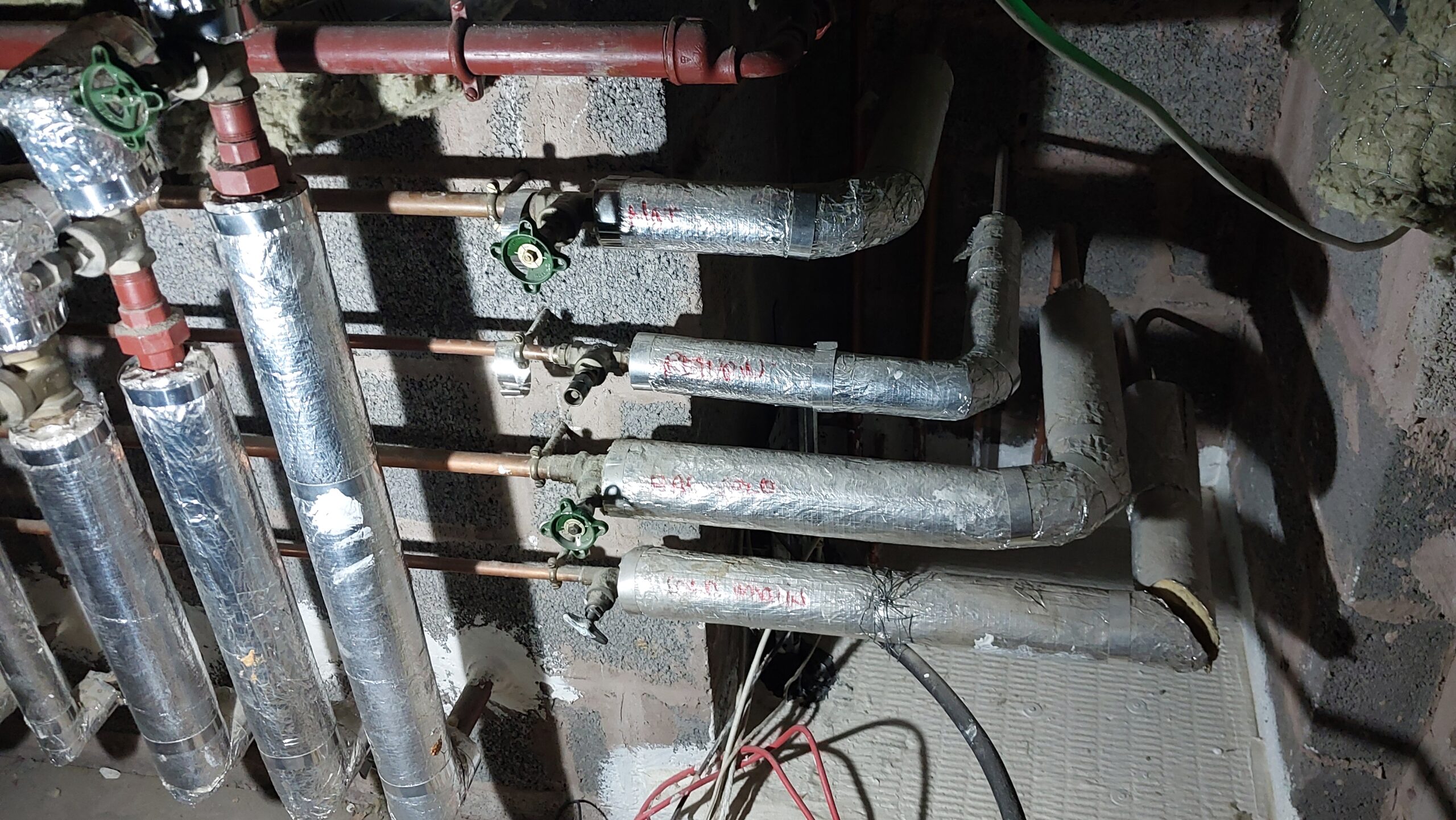
Hot water circulation, or more accurately the absence of it, remains one of the most critical areas of focus for any competent Legionella risk assessor. Despite its importance, it continues to be overlooked in the majority of risk assessment documents produced across the industry. Alarmingly, this issue is not confined to inexperienced assessors; it appears even in reports produced by organisations that claim to uphold higher standards, including those with UKAS accreditation.
The industry consistently overlooks a fundamental reality: around 90% of water systems with confirmed Legionella colonisation that i have been involved with show signs of chronic circulation failure. These failures rarely happen by accident. Instead, they often stem from poorly balanced systems, incorrect commissioning, or unnoticed crossflow between hot and cold services, typically caused by ageing or defective TMVs and blending valves. When circulation drops or becomes unstable, temperatures drift outside safe operating ranges, dead legs occur and create the perfect conditions for bacterial growth.
Despite these well-understood mechanisms, the behaviour of hot water circulation remains one of the least appreciated aspects of surveying work. A significant skills gap in mechanical understanding persists throughout the Legionella risk assessment profession, and this lack of expertise directly contributes to incomplete or inaccurate findings. Many assessors simply do not have the technical depth needed to diagnose circulation defects, identify return loops and systems, interpret temperature data properly, or recognise subtle system losses across complex networks.
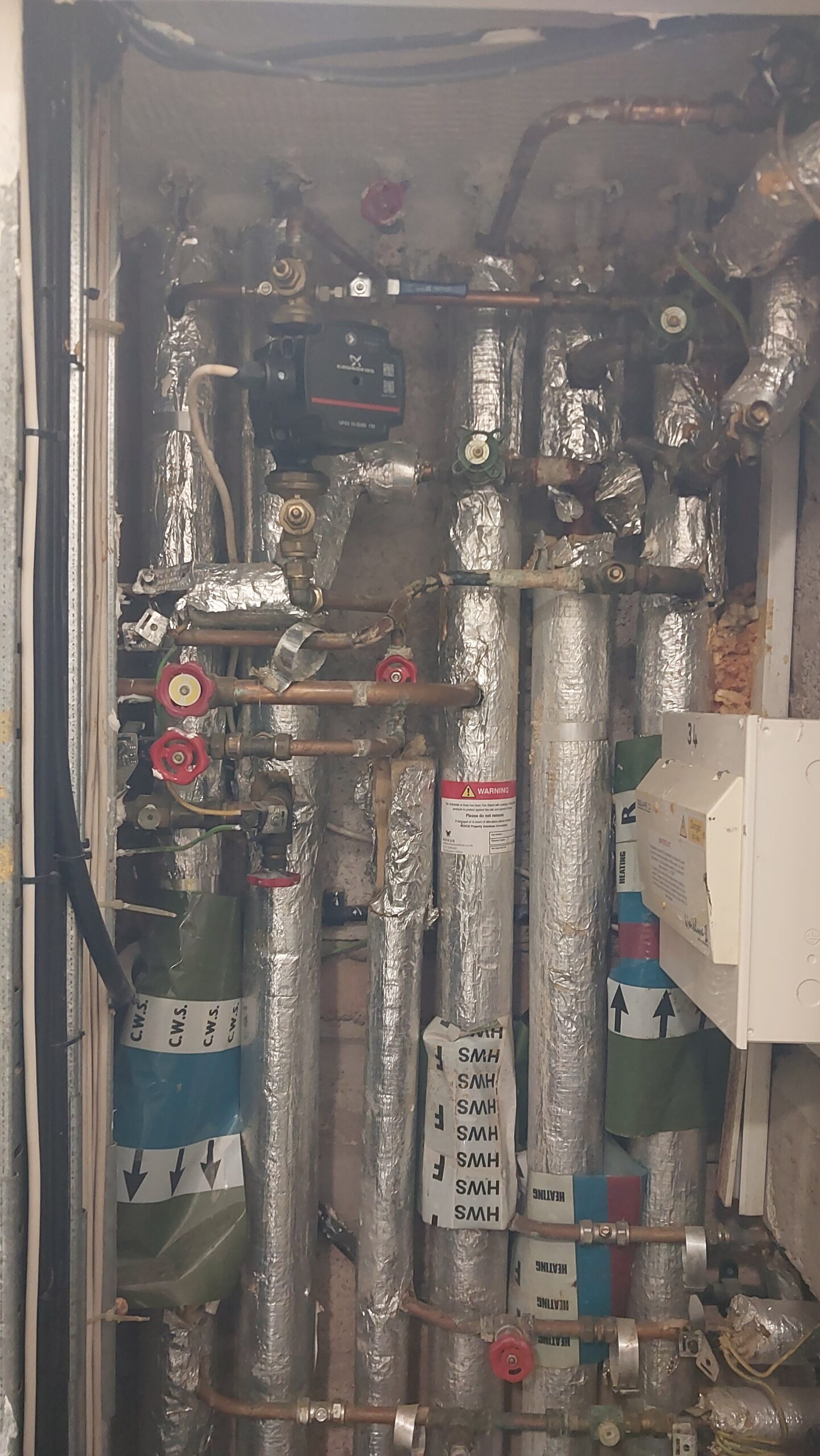
This issue is not new. In 2015, following the release of HSG274, I completely rewrote our Legionella Risk Assessment template to ensure that circulation analysis and essential mechanical considerations were included. The intention was to raise internal standards and reflect how water systems actually function. Yet nearly a decade later, many assessment templates used across the industry still fail to cover these basics.
As digital technologies become more prominent, a new question has emerged: is remote monitoring the long-awaited solution to these longstanding issues?
Remote Monitoring: Is It the Answer?
The honest response is both yes and no, depending on the context in which it is applied.
The “Yes”: Continuous Insight and Quicker Diagnoses
There is no doubt that remote monitoring can significantly improve our understanding of how hot water systems behave. When deployed correctly, it provides continuous insight into circulation performance and highlights issues much earlier than traditional monthly checks. Real-time temperature data allows fluctuations to be identified immediately, giving engineers the ability to trace faults back to specific loops or zones. If a contractor inadvertently leaves a valve closed, this can be spotted swiftly. If crossflow begins to influence hot water temperatures, the system can flag it long before it develops into a more serious problem.
In settings where safety is paramount, this level of visibility is extremely valuable.
The “No”: Practicality, Cost, and the Problem of Overselling
However, this promising picture comes with significant practical challenges. At a recent conference, I listened to a salesman describe his remote monitoring equipment as the definitive answer to the industry’s temperature-related problems. He repeatedly emphasised its affordability when compared with traditional manual checks. Unfortunately, the presentation was delivered by someone with minimal industry experience and engineering background, and this lack of understanding was very clear.
Two water systems I inspected recently, both suffering from serious circulation issues, had dozens of independent return loops. One site had more than 150 loops across multiple floors. When you consider the salesman’s claims of “complete control” and “full visibility,” that he repeatably used, the scale of what he was proposing becomes unrealistic. To achieve true oversight of a system of that size, you would need monitoring equipment on every return loop, every calorifier flow and return, every cold water storage outlet, sentinel cold points, and on many of the TMVs and blending devices throughout the estate. The cost of establishing and maintaining such a setup would be extremely high, and certainly not in line with the “affordable” message being promoted.
There also seems to be a “throw a remote device in the site” attitute to Legionella monitoring which i am finding increasingly worrying.
This kind of overselling highlights a wider issue within the water safety industry. Solutions are often promoted without any meaningful understanding of how complex water systems actually operate and therefore misold to clients who believe they have the silver bullet for their Legionella control needs. Technology can provide valuable insight, but it cannot replace sound mechanical knowledge, manual inspections for complex systems or informed engineering judgement.
Remote monitoring should therefore be viewed as a powerful tool, but not as a universal remedy. It works best when implemented selectively, proportionately, and as part of a broader, well-informed approach to system management.
Conclusion: Engineering Insight Must Guide the Industry Forward
Whether we are looking at circulation balancing, risk assessment templates, or digital monitoring technologies, one message remains consistent: engineering expertise must lead the way. Hot water circulation is not just another detail to be checked; it is a central factor in Legionella control. Any assessment that overlooks it cannot be considered reliable or complete.
Technology can undoubtedly enhance our understanding, but it cannot make up for the absence of mechanical knowledge. For the industry to progress, the focus must shift towards developing stronger engineering competence, improving the quality of risk assessment templates, and using monitoring tools appropriately rather than relying on ambitious sales promises.
The future of Legionella management will rely on a balanced combination of engineering skill, intelligent monitoring, and thorough risk assessments. Above all, it must begin with a genuine understanding of how water systems behave in the real world.
Carl Olllerton – Technical Director – GMS Services Ltd
Contact GMS to discuss your Legionella needs and to discuss remote monitoring options and suitability for your site. info@gmsservicesltd.co.uk or 01257 424459





Leave a Reply
You must be logged in to post a comment.