


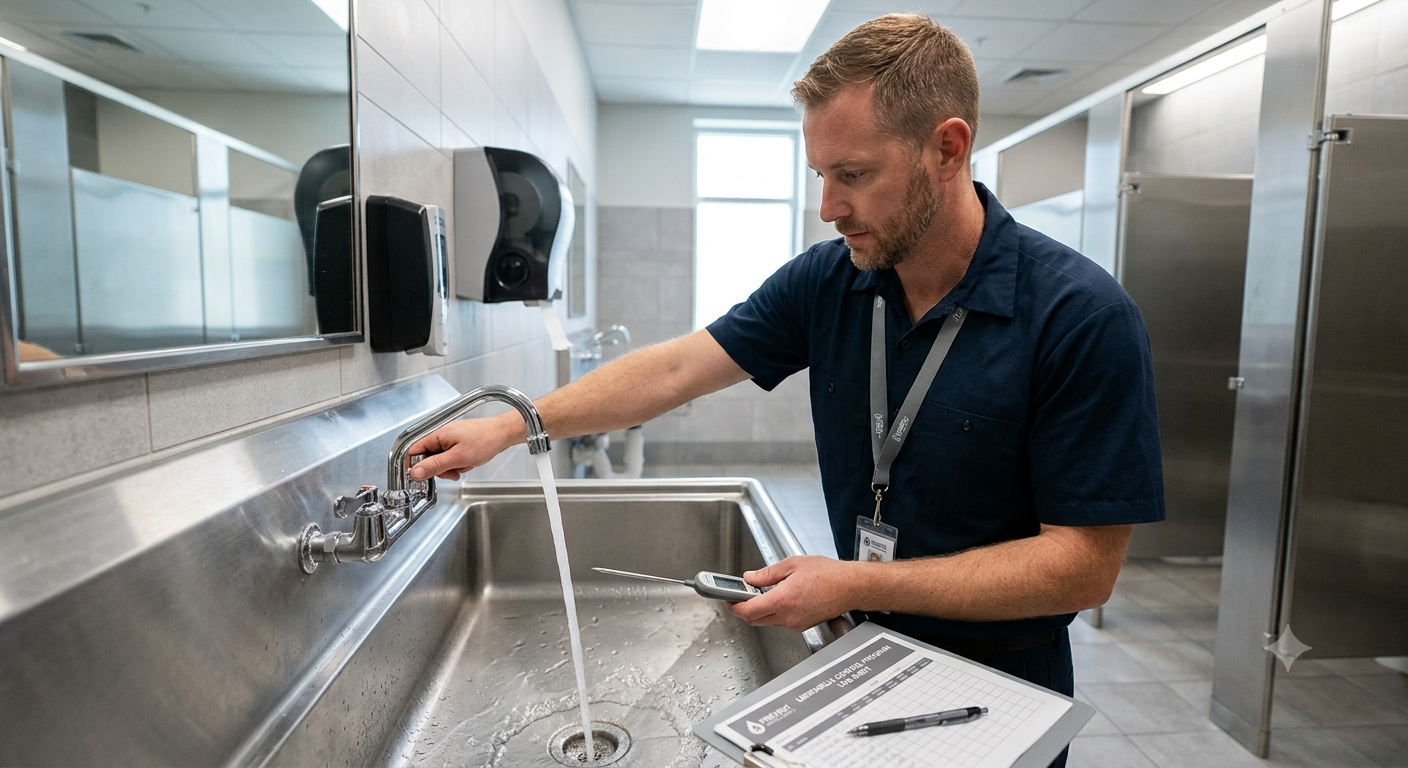
Water systems are designed to deliver clean, wholesome water whenever it is needed. However, when water remains stagnant within pipework, storage tanks or little-used outlets, its quality can deteriorate surprisingly quickly. Regular flushing is one of the simplest yet most effective measures available to maintain water quality, reduce the risk of Legionella bacteria, and ensure compliance with recognised guidance such as HSE’s L8 Approved Code of Practice and HSG274 Part 2.
While flushing is often viewed as a routine maintenance activity, a well-designed flushing regime forms a vital part of an effective water hygiene management programme.
Why Does Water Need Flushing?
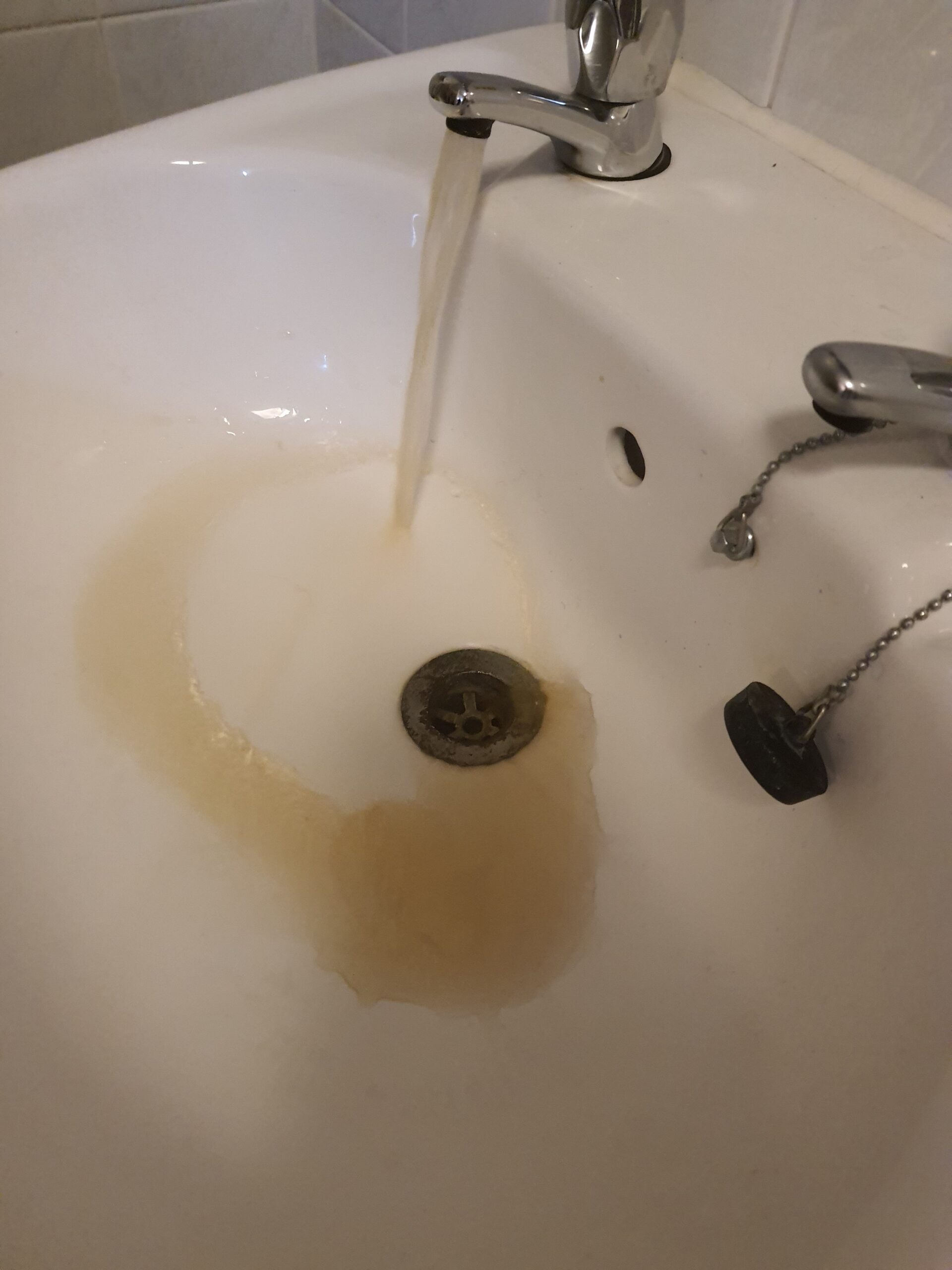
Fresh mains water contains a small amount of disinfectant, typically chlorine, which helps control naturally occurring bacteria.
Once water enters a building’s water system, that disinfectant gradually dissipates. If the water remains unused, several changes begin to occur:
- Disinfectant residuals reduce.
- Water temperatures move towards the ideal growth range for bacteria.
- Nutrients accumulate.
- Biofilm can develop on internal pipe surfaces.
- Water stagnates within outlets and dead-end pipework.
These conditions provide an environment where bacteria, including Legionella, can multiply.
Regular flushing replaces stagnant water with fresh water from the mains or from the primary circulating system, restoring disinfectant levels and helping maintain water quality.
The Relationship Between Flushing and Legionella
Legionella bacteria are commonly found in natural water sources and are usually present in very low numbers. Problems arise when conditions within a building’s water system allow the bacteria to multiply.
The main factors encouraging growth include:
- Water temperatures between approximately 20°C and 45°C
- Stagnation
- Poor circulation
- Biofilm development
- Sediment and scale accumulation
Flushing directly addresses one of the most significant contributors—stagnation.
By regularly moving water through the system, flushing helps:
- Replace old water with fresh water.
- Reduce the time water remains within pipework.
- Remove water that has warmed or cooled into the bacterial growth range.
- Encourage turnover throughout the distribution network.
- Reduce the opportunity for bacterial multiplication.
Whilst flushing alone is not a substitute for good system design or temperature control, it is an essential supporting control measure.
Where is Flushing Most Important?
Not every outlet within a building is used every day.
Examples include:
- Vacant apartments or bedrooms
- Guest accommodation
- School buildings during holidays
- Seasonal properties
- Spare bathrooms
- Little-used taps
- Emergency showers
- Clinical rooms
- Redundant pipework awaiting removal
These outlets can remain unused for days or even weeks, allowing water quality to decline.
A planned flushing programme helps maintain these areas until normal usage resumes or permanent remedial works can be undertaken.
Developing an Effective Flushing Regime
A successful flushing programme should never rely on arbitrary timings alone.
Instead, the regime should consider factors such as:
Water Source
A simple mains-fed outlet with a short pipe run may only require a relatively brief flush before fresh water reaches the outlet.
Conversely, outlets supplied from large storage tanks or located at the extremities of extensive pipework may require significantly longer flushing periods to ensure complete water replacement.
Water Temperature
Temperature is one of the most useful indicators that fresh water has reached the outlet.
For example:
- Cold water should rapidly stabilise below the temperatures specified within the site’s control scheme.
- Hot water should achieve the required operating temperature once stagnant water has been displaced.
Rather than selecting a fixed flushing duration, many water hygiene professionals monitor temperature during flushing to confirm that fresh system water has reached the outlet.
Frequency
The frequency of flushing should be determined through the site’s Legionella Risk Assessment and local risk factors.
Typical circumstances requiring planned flushing include:
- Vacant buildings
- Partial occupancy
- New installations awaiting occupation
- Little-used outlets
- Temporary building closures
- Healthcare environments with vulnerable occupants
Higher-risk premises may require more frequent flushing depending upon occupancy and system characteristics.
Flushing During Commissioning and Building Reoccupation
Flushing becomes particularly important following:
- Construction works
- Installation of new pipework
- Major plumbing alterations
- Extended building shutdowns
- Seasonal reopening
- Water system disinfection
Following periods of inactivity, water within the system may have remained stagnant for prolonged periods.
A structured flushing programme should therefore be completed before normal occupancy resumes to help restore water quality throughout the distribution system.
Flushing Should Never Waste Water
Although flushing is essential, it should always be proportionate.
Excessive flushing wastes water and may indicate an underlying issue within the system.
Where outlets continually require prolonged flushing, this may suggest:
- Oversized pipework
- Dead legs
- Poor system design
- Low occupancy
- Inadequate circulation
In these situations, engineering solutions are generally more effective than increasing flushing frequency.
The objective is to achieve sufficient water turnover while minimising unnecessary water consumption.
Safe Flushing Practices
Flushing also carries potential risks.
If water has become heavily contaminated, running an outlet may generate aerosols capable of exposing those nearby.
Before implementing a flushing programme, organisations should consider:
- The vulnerability of building occupants
- Potential aerosol generation
- Appropriate personal protective equipment (PPE)
- Local ventilation
- Whether outlets should be flushed into drains with minimal splash
- Staff training and competency
- Task-specific risk assessments
These considerations are particularly important within healthcare, care homes and other environments housing susceptible individuals.
Flushing as Part of a Wider Water Hygiene Strategy
Although flushing is highly effective, it should never be viewed as the sole control measure.
An effective Legionella management programme should also include:
- Legionella Risk Assessments
- Temperature monitoring
- Routine inspections
- Tank cleaning and disinfection
- Removal of dead legs
- Water sampling where appropriate
- TMV servicing
- Planned preventative maintenance
- Accurate record keeping
- Regular review of system performance
Together, these measures provide multiple layers of protection against microbial growth.
Conclusion
Flushing remains one of the simplest yet most valuable practices in maintaining water hygiene. By replacing stagnant water with fresh supplies, supporting temperature control, and encouraging regular turnover throughout the system, flushing significantly reduces the conditions that allow Legionella and other waterborne bacteria to proliferate.
However, flushing should never be undertaken as a “one-size-fits-all” activity. Every building is different, and an effective flushing programme should be based on system design, occupancy, water usage patterns and the findings of a suitable Legionella Risk Assessment. When implemented correctly alongside other control measures, routine flushing plays a crucial role in protecting both building occupants and the long-term integrity of the water system.
About GMS Services Ltd
At GMS Services Ltd, we have been helping organisations manage Legionella risks and maintain safe water systems for nearly 30 years. Our experienced teams provide nationwide water hygiene services including Legionella Risk Assessments, planned preventative maintenance, water sampling, storage tank inspections and cleaning, remedial plumbing, system disinfection, temperature monitoring, and bespoke flushing programmes tailored to each client’s specific water system and risk profile.
Whether you’re responsible for a healthcare facility, residential property, educational establishment or commercial premises, our specialists can help ensure your water systems remain safe, compliant and operating efficiently.




Leave a Reply
You must be logged in to post a comment.