


Legionella Risk Assessment – BS 8580-1 2019
A legionella risk assessment is a process to determine the risk of contraction of legionnaires disease and the potential for growth of legionella bacteria within the water systems at your premise(s).
This is a requirement under the Health & Safety at Work Act 1974 and COSHH. This will be carried out in accordance with the latest British Standard and in accordance with ACOP L8 and HSG 274.
What will happen during this risk assessment?
GMS will carry out the risk assessment with the minimal disruption to your site. Water systems will not be disturbed during the risk assessment unless this has been agreed in advance.
Our detailed risk assessments will include as a minimum
- A written document including a FULL asset register.
- Schematics if existing drawings are not available or out of date.
- Photographic evidence of non-conformities
- Temperature testing at all hot and cold-water outlets
- Cold water tank and calorifier surveys with recommendations
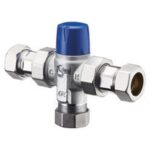
- Shower and TMV inspections and temperature tests
- Appraisal of current control scheme and management procedures.
- Recommended control procedures for ongoing maintenance following risk assessment.
Water sampling and on-site legionella testing is optional and will be discussed prior to the site visit. Legionella sampling may be recommended during a risk assessment should a serious risk be identified. This would be agreed with the responsible person before any sampling is undertaken.
GMS risk assessment team
All GMS risk assessors are adequately trained and qualified to perform legionella risk assessment. The right risk assessor with adequate experience will be selected to fit the complexity of the site they are visiting.
Our administration team who support the risk assessment department are vastly experienced and trained to support the team and our clients before, during and after the site visit is undertaken. The report goes through a audit procedure before being returned to the risk assessor for final comment, ensuring that the documents are an accurate representation of your site.
Electronic copies will be issued as a standard. Hard copy risk assessments and site-specific hard copy log books can also be provided as part of this service. This will be discussed prior to conducting the survey.




Leave a Reply
You must be logged in to post a comment.