


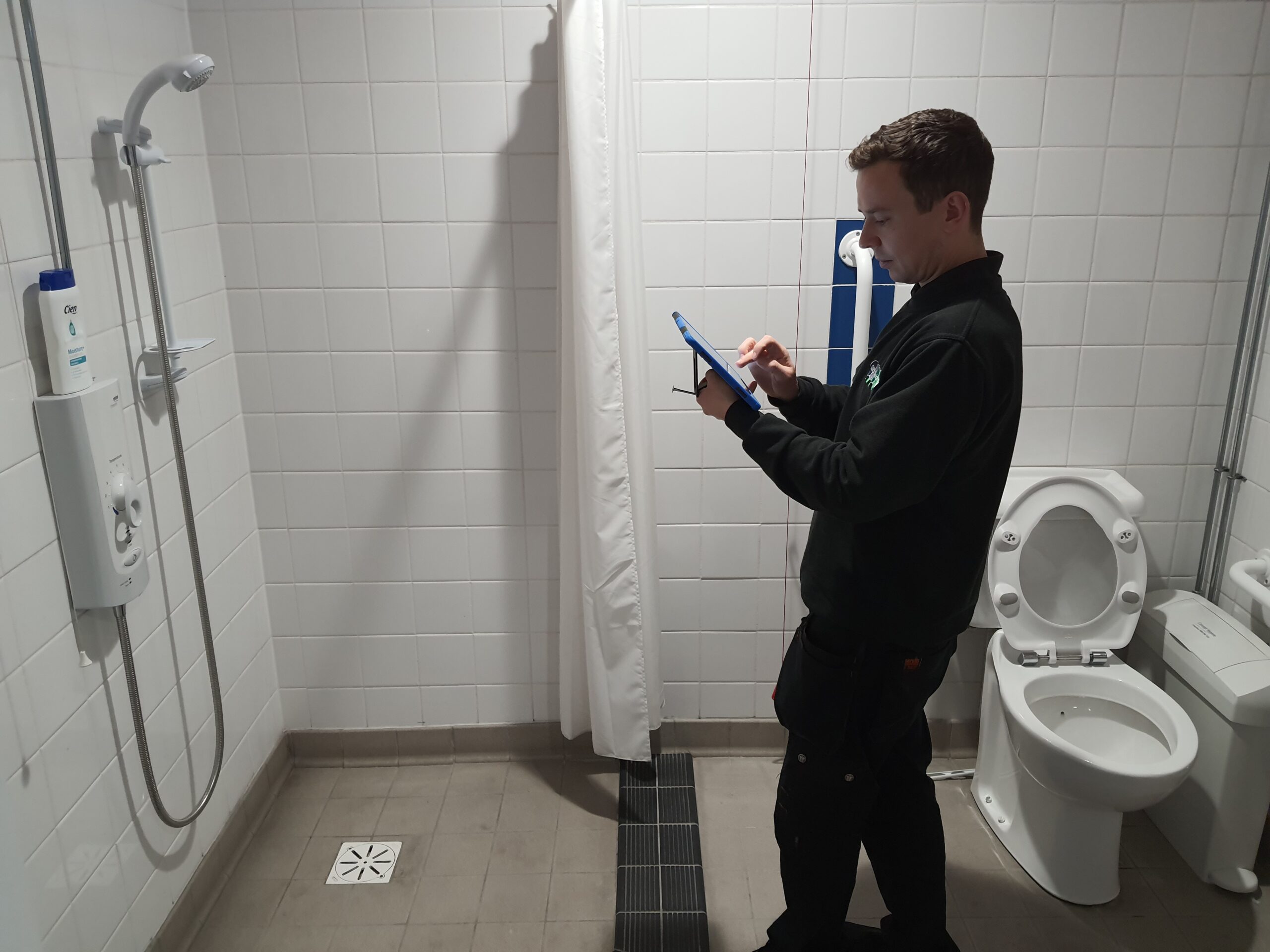
In healthcare environments—where vulnerable patients rely on safe, clean surroundings—water hygiene is not just a compliance issue; it’s a critical aspect of patient safety and infection control. Planned Preventative Maintenance (PPM) for water systems is an essential strategy to prevent microbial contamination, protect at-risk individuals, and meet stringent regulatory standards.
What is Water Hygiene PPM?
Water Hygiene PPM involves scheduled inspections, testing, cleaning, and maintenance of water systems to prevent the growth and spread of harmful bacteria, such as Legionella, Pseudomonas aeruginosa, and other waterborne pathogens. It’s a proactive rather than reactive approach, focusing on risk prevention, system integrity, and regulatory compliance.
—
Why is Water Hygiene PPM Especially Vital in Healthcare?
1. Patient Vulnerability
Hospitals, care homes, and clinics care for individuals with weakened immune systems—elderly patients, newborns, surgical patients, and those undergoing treatments like chemotherapy. These individuals are especially susceptible to infections caused by waterborne pathogens.
Legionnaires’ disease and Pseudomonas infections can be life-threatening in these environments. Without rigorous water hygiene controls, taps, showers, and sinks can become points of infection.
2. Regulatory Compliance
In the UK, healthcare facilities must comply with:
Health and Safety at Work Act 1974
Control of Substances Hazardous to Health (COSHH) Regulations 2002
HTM 04-01 (Safe Water in Healthcare Premises)
ACoP L8 (Legionnaires’ disease: The control of legionella bacteria in water systems)
Failure to comply can result in severe legal penalties, CQC (Care Quality Commission) intervention, and reputational damage.
3. Outbreak Prevention
PPM plays a vital role in preventing outbreaks before they start. By maintaining proper water temperatures, flushing little-used outlets, cleaning storage tanks, and monitoring water quality, healthcare facilities can significantly reduce the likelihood of microbial growth.
A single outbreak of Legionella or Pseudomonas can lead to ward closures, patient relocations, media scrutiny, and even fatalities. PPM mitigates this risk.
4. Operational Continuity
Breakdowns in water systems disrupt essential services—surgeries, sterilisation, laundry, and patient care. PPM ensures that these critical systems function optimally, avoiding downtime and emergency interventions.
5. Cost-Effective Risk Management
Preventative maintenance reduces long-term costs by identifying issues early and avoiding expensive reactive repairs or litigation. In environments with tight operational budgets, this foresight is not only practical—it’s essential.

—
Key Elements of a Healthcare Water Hygiene PPM Programme
A comprehensive water hygiene PPM plan in healthcare should include:
Legionella risk assessments
Microbiological sampling (especially for Pseudomonas in augmented care areas)
Routine temperature checks and monitoring
Regular flushing of infrequently used outlets
Cleaning and disinfection of cold water storage tanks and calorifiers
Inspection and maintenance of thermostatic mixing valves (TMVs)
Clear documentation for audit trails and compliance reporting
—
Building a Culture of Water Safety
Water hygiene is not solely the responsibility of estates and facilities teams. It requires a culture of awareness and accountability across all departments. Clear communication, staff training, and collaboration with specialist water hygiene providers are essential components of a resilient, risk-aware organisation.
—
Final Thoughts
In healthcare, lives depend on clean water. Planned Preventative Maintenance is not just about system upkeep—it’s a fundamental safeguard for patient safety and organisational integrity. By investing in regular water hygiene maintenance, healthcare providers demonstrate leadership, responsibility, and a commitment to the highest standards of care.
Whether you’re a hospital estate manager, care home owner, or NHS Trust decision-maker, now is the time to ask: Is your water hygiene programme doing enough to protect the people who depend on you?




Leave a Reply
You must be logged in to post a comment.