Legionella Risk Assessment – Acop L8 & HSG274

GMS have been conducting legionella risk assessments for our customers for 25 years. The current British Standards BS8580-1 2019 set the standards for the structure of our risk assessments. However, all risk assessments should refer to the existing ACOP (approved code of practice) and current guidance document (HSG274 parts 1, 2 & 3).

Talk to GMS today about your risk assessment requirements

info@gmsservicesltd.co.uk or 01257 424459
Leave a Reply

Find out how we can help you!

With our extensive experience in Legionella Risk Assessment Services & Water Treatment Services Contact us today to find out how we can help you.

Contact Us

What Is BSRIA BG29 & BG50?

BG29 (Pre-Commission Cleaning of Pipework Systems) sets out best practice for cleaning commercial heating and cooling pipework before it is handed over. When new systems are installed, they contain: Mill scale from steel pipework Jointing compounds and flux residues Installation debris Construction dust and particulates If not properly removed, these contaminants: Block strainers and control… Read more »

Le Mans Crescent Project!

Major Mechanical Installation Project Underway at Le Mans Crescent, Bolton We’re proud to be delivering a significant mechanical installation project at Le Mans Crescent in Bolton, and it’s fantastic to see the works progressing well as the building services infrastructure begins to take shape on site. This phase of the project represents a key milestone… Read more »

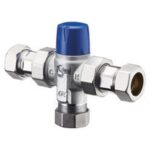
Thermostatic Mixing Valves (TMVs): Understanding TMV2, TMV3 and Your Legal Responsibilities

Thermostatic Mixing Valves (TMVs) play a critical role in controlling water temperature and reducing the risk of scalding in both domestic and commercial buildings. In higher-risk environments such as healthcare, care homes and education settings, correct valve selection, installation and ongoing maintenance is not just best practice – it is a legal and moral responsibility…. Read more »

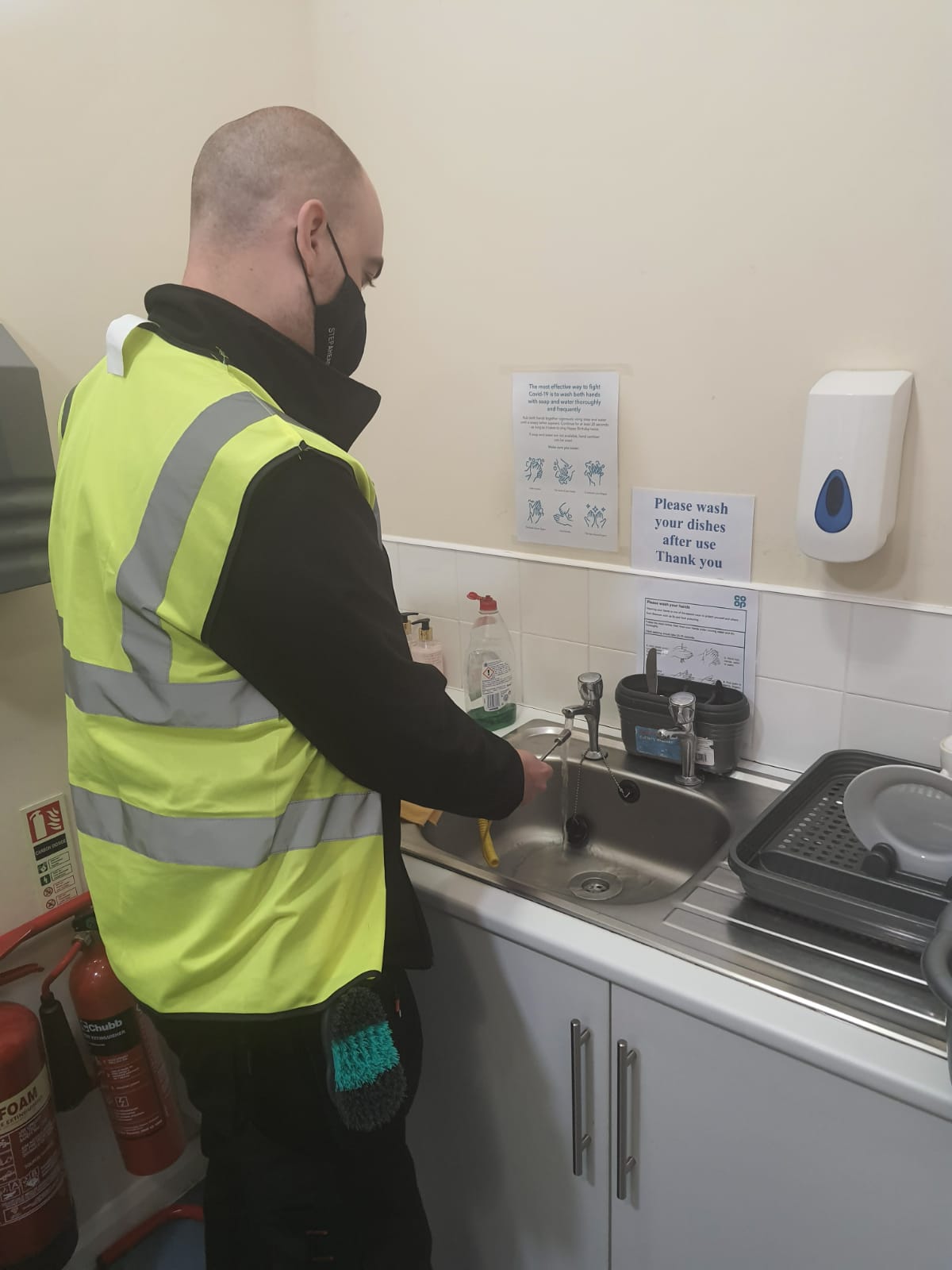
How Passing TMVs Drive Legionella and Biofilm Formation

Passing TMVs create the exact conditions Legionella bacteria thrive in. The combined effects include: Once temperature control is lost, biofilm rapidly develops on internal pipe surfaces. Biofilm acts as: As biofilm thickens, it further restricts flow, worsening stagnation and creating a self-reinforcing cycle that accelerates colonisation. In many investigations of persistent Legionella positives, passing TMVs… Read more »