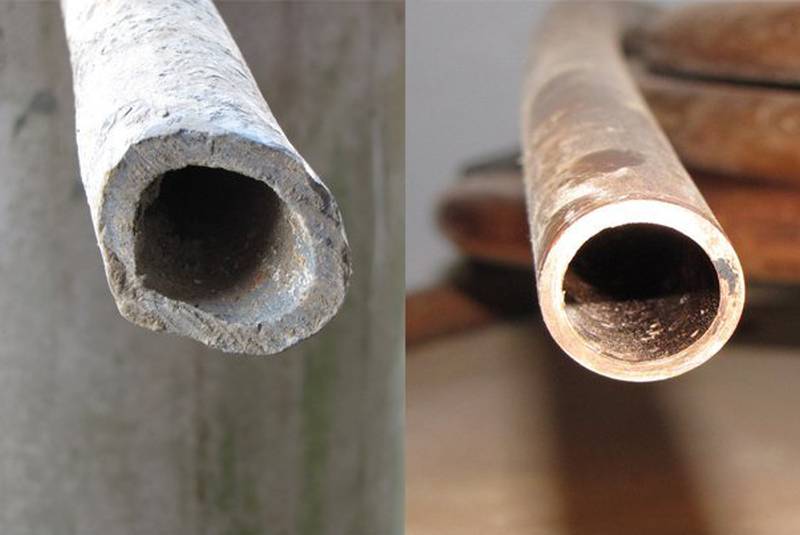
Lead Pipework: A Dual Threat to Water Safety

1. Lead Contamination and Health Hazards
Lead pipes, especially those that have aged or corroded, can leach toxic lead particles into the water supply. This contamination poses serious health risks—ranging from hypertension and gastrointestinal issues to irreversible neurological damage. Even low levels of lead exposure are harmful, particularly to children and pregnant women.

2. Legionella and Waterborne Risk
Legionella bacteria, the cause of Legionnaires’ disease—a severe type of pneumonia—can flourish in water systems where specific conditions support their growth. Lead plumbing is one such contributor.

3. Biofilm Development on Aging Infrastructure
The internal surfaces of old lead piping tend to be uneven and rough, encouraging the accumulation of biofilms. These slimy microbial layers offer protection and a stable environment for bacteria, including Legionella, to multiply.

4. Nutrients from Pipe Corrosion
Corroded metal pipes, particularly those containing lead, can introduce elements into the water that act as nutrients. These metals may serve as a growth enhancer for Legionella, making the system more susceptible to bacterial colonization.

5. A Perfect Storm for Bacterial Proliferation
The combination of nutrient availability from corrosion, increased biofilm presence, and stagnant conditions often found in outdated piping systems creates an ideal breeding ground for Legionella bacteria. This not only elevates the risk of contamination but also allows the pathogen to potentially disperse throughout a building’s entire water network


Leave a Reply

Find out how we can help you!

With our extensive experience in Legionella Risk Assessment Services & Water Treatment Services Contact us today to find out how we can help you.

Contact Us

What Is BSRIA BG29 & BG50?

BG29 (Pre-Commission Cleaning of Pipework Systems) sets out best practice for cleaning commercial heating and cooling pipework before it is handed over. When new systems are installed, they contain: Mill scale from steel pipework Jointing compounds and flux residues Installation debris Construction dust and particulates If not properly removed, these contaminants: Block strainers and control… Read more »

Le Mans Crescent Project!

Major Mechanical Installation Project Underway at Le Mans Crescent, Bolton We’re proud to be delivering a significant mechanical installation project at Le Mans Crescent in Bolton, and it’s fantastic to see the works progressing well as the building services infrastructure begins to take shape on site. This phase of the project represents a key milestone… Read more »

Thermostatic Mixing Valves (TMVs): Understanding TMV2, TMV3 and Your Legal Responsibilities

Thermostatic Mixing Valves (TMVs) play a critical role in controlling water temperature and reducing the risk of scalding in both domestic and commercial buildings. In higher-risk environments such as healthcare, care homes and education settings, correct valve selection, installation and ongoing maintenance is not just best practice – it is a legal and moral responsibility…. Read more »

How Passing TMVs Drive Legionella and Biofilm Formation

Passing TMVs create the exact conditions Legionella bacteria thrive in. The combined effects include: Once temperature control is lost, biofilm rapidly develops on internal pipe surfaces. Biofilm acts as: As biofilm thickens, it further restricts flow, worsening stagnation and creating a self-reinforcing cycle that accelerates colonisation. In many investigations of persistent Legionella positives, passing TMVs… Read more »