


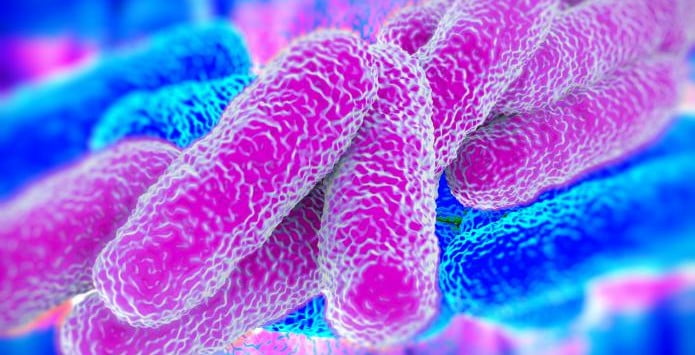
CELL MUTATIONS
There are many occasions when we come across a dirty water systems with all the characteristics to provide a perfect environment for legionella bacteria to thrive. However, when we sample these water systems, we may get high readings on our TVC tests, along with other waterborne bacteria, but nothing on the legionella counts.
There can be multiple reasons for this. Maybe the 1000ml water sample taken remotely from the outlet / drain valve just simply did not capture any legionella via shear luck. Maybe the system in the areas sampled does not support the life of legionella bacteria for physical reasons. Maybe the legionella had been flushed out the outlet prior to sampling. Maybe the environment is more favorable to the other bacteria present and the growth of the other species will accelerate. This will starve the legionella of the nutrients and oxygen they need to thrive in the system. They are all possibilities, but there is another reason that could be the cause.
MUTATIONS
Most mutations are harmful to the organism possessing them, and so that individual dies. The presence of lots of other bacteria will inevitably result in lots of dead DNA fragments floating around the water system and sticking to biofilms and within rubbers seals and strainers within the plumbing. These DNA fragments can be absorbed via the legionella cell membrane which in most cases will result in the legionella dying. In this scenario, the legionella will struggle to proliferate and multiply as the dead bacteria DNA is acting like a biocide (figuratively speaking).
It may also mutate and become a different DNA make up all together. If this mutation changes the DNA make up and the characteristics of the bacteria, it may result in a negative sample, despite the fact legionella is indeed in the system in very small numbers. This is particularly the case if the analysis is being carried out via PCR. If the bacteria has mutated but still holds most of its physical characteristics, it will probably still be recognisable under the microscope.
The image below shows how mutation can occur.

RESISTANT BACTERIA
Occasionally, a mutation can occur that is beneficial to the organism. In the case of microbes, this could be a mutation in a gene which allows the microbe to survive in the presence of certain strengths of disinfection, i.e. to be resistant to low levels of chemicals and higher temperatures within the water systems.
The new gene (mutant) can spread very rapidly, as every offspring of the resistant microbe has an exact copy of the DNA and so will also carry the new gene. Therefore, you may get a better survival rate of bacteria at higher temperatures if successful mutation has occurred. This may result in high TVC counts despite controls seeming reasonable at face value.
This can be one of the reasons that multiple disinfections and high temperature thermal disinfections need to be carried out to help eradicate the system of all bacteria present.





Leave a Reply
You must be logged in to post a comment.