


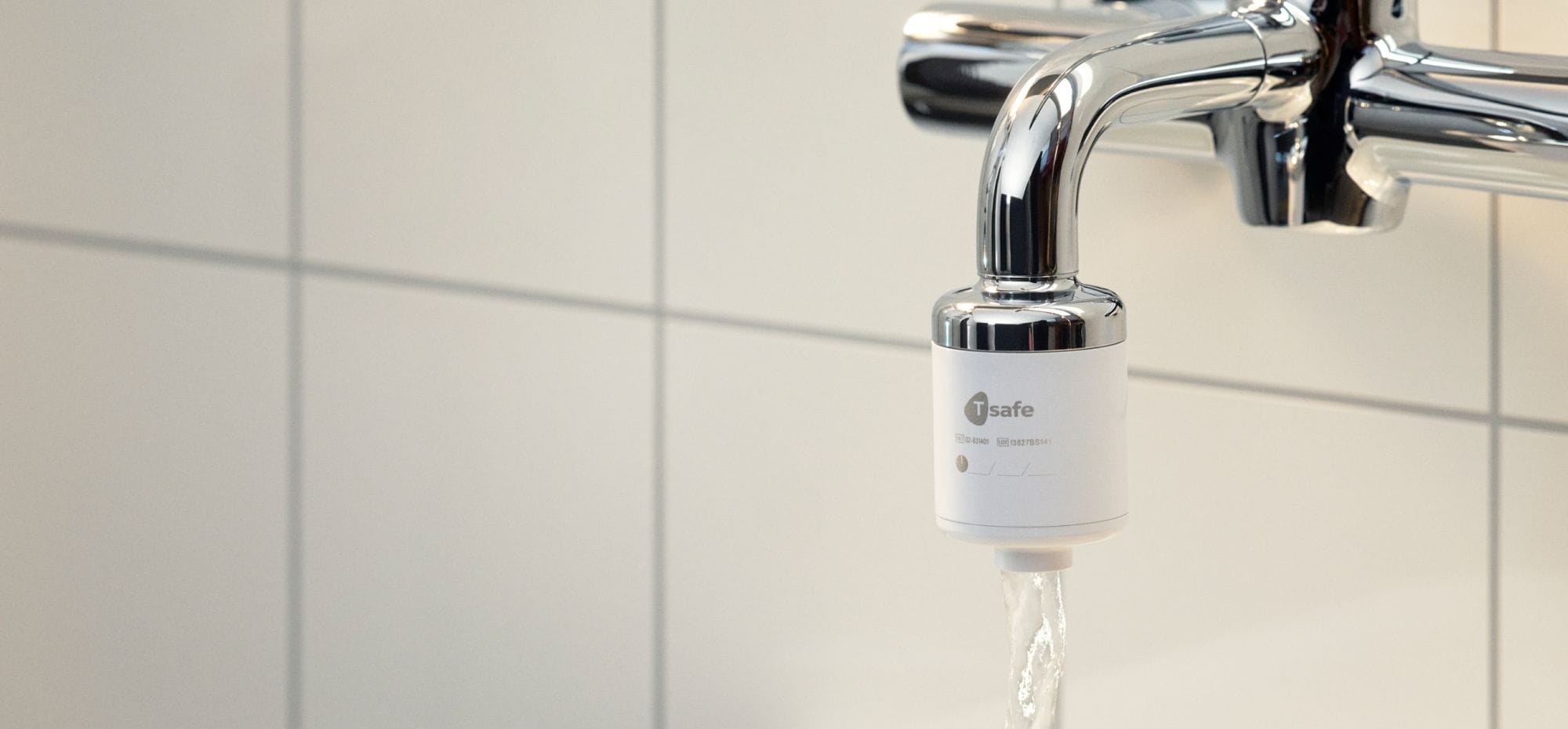
When sites experience ongoing positive Legionella results, swift action is essential to protect building users. While long-term solutions such as remedial works, system modifications, or improved control measures are investigated, an immediate risk still exists. This is where Point-of-Use (POU) filters play a vital role.
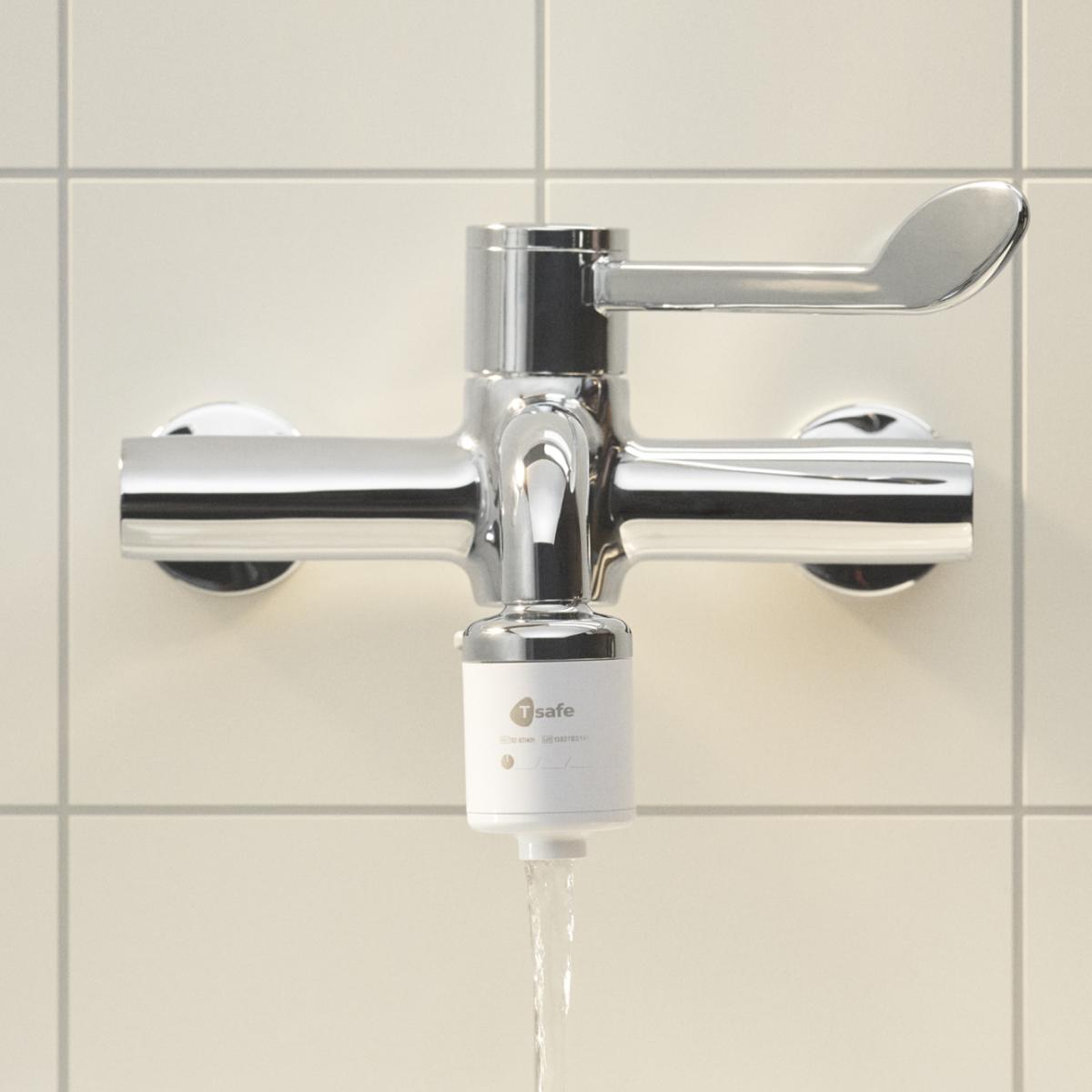
Why POU Filters Matter
POU filters are designed to fit directly onto outlets such as taps and showers or installed onto pipework supplying outlets. They contain ultra-fine membranes, often 0.2 microns that physically block bacteria like Legionella from passing into the water delivered to end users.
For sites under investigation, POU filters act as a temporary safeguard by:
Providing immediate protection while investigations and remedial works take place.
Ensuring safe water use for patients, residents, staff, or visitors even when the wider system remains contaminated.
Reducing infection risk in high-risk settings such as hospitals, care homes, and healthcare facilities.
—
A Temporary but Essential Measure
It’s important to understand that POU filters are not a permanent fix. They do not remove Legionella from the system itself; rather, they act as a protective barrier at the point of delivery. Their use should always be combined with:
A robust sampling regime to monitor ongoing water quality.
Remedial works to address the root cause of contamination, such as dead legs, poor temperatures, or inadequate disinfection.
Clear communication with site staff and building users to ensure correct handling, replacement, and maintenance of filters.
—
Applications in High-Risk Environments
In healthcare environments, where patients are particularly vulnerable, POU filters are often considered critical control measures during outbreak investigations. Guidance from the Department of Health and HSE recognises their importance as an interim protection method while longer-term system safety is restored. They are used to control other waterbourne bacteria such as pseudomonus, E.coli and Coliforms etc.
Even outside of healthcare, for example in leisure facilities, offices, or housing schemes, the presence of POU filters provides reassurance and compliance evidence while corrective action is underway.
—
Key Takeaways
Immediate risk reduction – POU filters protect end users from exposure.
Temporary solution – They must run alongside remedial works, not replace them.
Critical for duty of care – Especially in settings with vulnerable populations.
Demonstrates proactive management – Showing regulators and stakeholders that risks are being managed responsibly.
—
GMS recommends T-Safe POU filters as the “go-to” product on the market. For help and assistance with this product (supply and installation) please get in touch with us. 01257 424459 or info@gmsservicesltd.co.uk





Leave a Reply
You must be logged in to post a comment.