


In water hygiene management, it’s not uncommon to encounter heavily contaminated water systems that, despite appearing ideal for Legionella pneumophila proliferation, return negative results for Legionella during microbiological analysis. These situations often raise questions about sampling accuracy, environmental suitability, bacterial competition, and the complex behaviour of microbial communities under stress.

High TVC, No Legionella: What’s Going On?
When we observe high Total Viable Count (TVC) results in a visibly dirty water system—but no trace of Legionella—several plausible explanations may be at play:
- Sampling Limitations: The 1000ml sample collected (often at a tap or drain valve) may have missed Legionella bacteria by chance. Legionella can be patchily distributed, especially in biofilms and stagnant zones.
- Environmental Constraints: Specific conditions (e.g., pH, temperature, flow rate) within parts of the system may inhibit Legionella survival or replication, even if other bacteria flourish.
- Flushing and Flow Dynamics: Legionella may have been flushed from the sampling outlet shortly before the sample was collected, skewing results.
- Bacterial Competition: Dominant bacterial species might outcompete Legionella for nutrients and oxygen, suppressing its growth. This ecological competition can limit Legionella presence despite conducive conditions.
The Role of Genetic Mutation and DNA Fragmentation
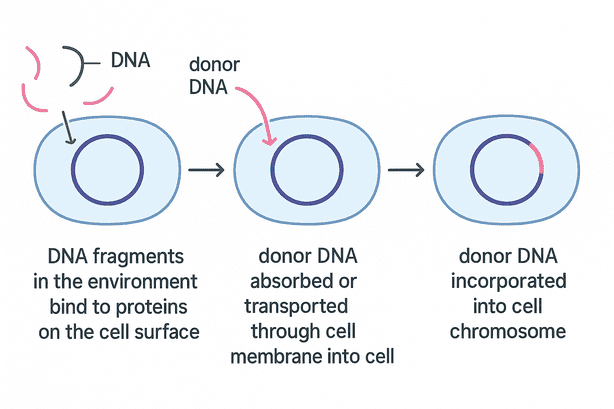
An often-overlooked factor in Legionella detection failure is bacterial mutation and genetic interference. Legionella, like many bacteria, can absorb free-floating DNA fragments from dead organisms through a process known as transformation. In dirty systems laden with biofilm, rubber seals, and accumulated microbial debris, DNA fragments from dead bacteria abound.
- Toxic Genetic Uptake: When Legionella absorbs incompatible or fragmented DNA, the result is often detrimental, leading to cell death or reduced viability. These fragments can act like a biocide by disrupting cellular functions.
- Mutagenic Effects: In rare cases, Legionella may mutate in response to environmental stress or DNA uptake. If this mutation alters key genetic markers, especially those targeted by polymerase chain reaction (PCR) tests, the bacteria may go undetected despite being present in small numbers. If the mutation is less extreme, the bacteria may still be visible under microscopy but evade genetic identification.
General Bacteria – Resistant Strains and System Resilience
On the flip side, some mutations can enhance survival. For example:
- Disinfection Resistance: A mutated gene might enable a bacterium to survive higher concentrations of biocides or elevated temperatures. This could explain persistently high TVC results even when disinfection protocols appear effective.
- Thermal Tolerance: Microbes with thermal-resistant genes may survive routine hot water flushing, increasing the need for more aggressive or repeated disinfection strategies.
These adaptations underscore the importance of adaptive water hygiene management, where traditional controls may need reinforcement through temperature profiling, enhanced biocide application, or system redesign.

Conclusion
The absence of detectable Legionella in a dirty system should never lead to complacency. Factors such as microbial competition, sampling variability, DNA fragmentation, and mutation dynamics all contribute to complex bacterial behaviours. A comprehensive risk-based approach, including periodic review of monitoring strategies and control measures, remains critical for effective Legionella management.
Written by: Carll Ollerton – Technical Director – GMS Services Ltd





Leave a Reply
You must be logged in to post a comment.