


Water is essential to life, health, and productivity — but when poorly maintained, it can become a source of serious health risks. This is where Water Hygiene Planned Preventative Maintenance (PPM) comes into play. Whether it’s in hospitals, schools, commercial buildings, or industrial facilities, maintaining clean and safe water systems through proactive strategies is not just best practice—it’s a legal and moral responsibility.
What is Water Hygiene PPM?
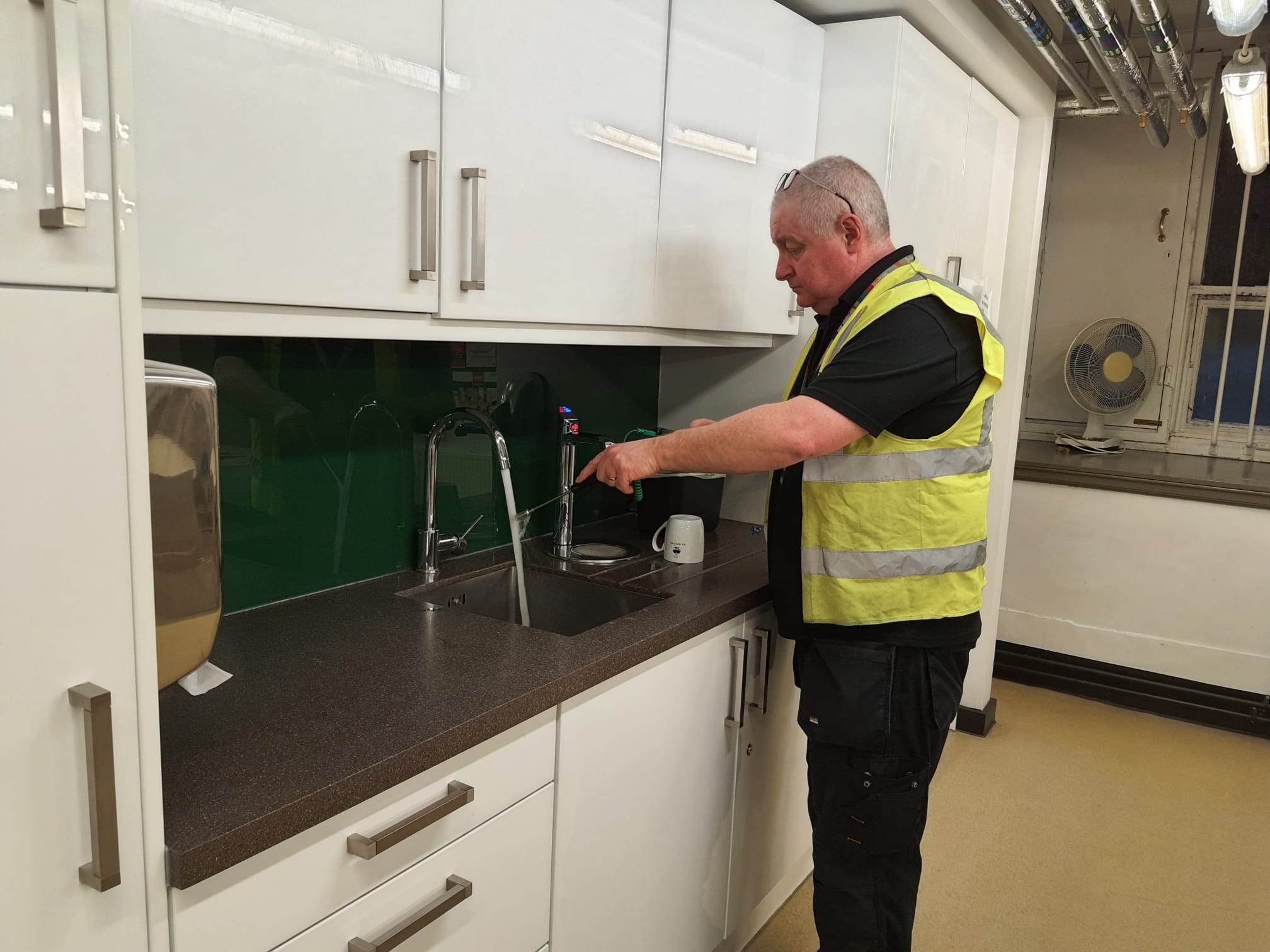
Water Hygiene PPM refers to a scheduled, systematic approach to inspecting, cleaning, and maintaining water systems to prevent contamination, to identify faults and ensure compliance with safety standards. This includes tasks such as flushing infrequently used outlets, checking for biofilm build-up in water tanks and strainers, temperature monitoring, and ensuring tanks and pipework remain clean, functional, TMV maintenance and expansion vessel servicing etc.

Why is it Important?
1. Health and Safety
The primary goal of PPM is to protect people from waterborne pathogens like Legionella pneumophila, which can cause Legionnaires’ disease—a potentially fatal form of pneumonia. Other threats include Pseudomonas and E. coli. Regular maintenance reduces the risk of bacterial proliferation by controlling water temperature, flow, and cleanliness.
2. Legal Compliance
In the UK, water hygiene standards are regulated by bodies such as the Health and Safety Executive (HSE). Employers and landlords have a legal duty under the Health and Safety at Work Act 1974 and the Control of Substances Hazardous to Health (COSHH) to manage risks associated with legionella. Failing to meet these obligations can lead to heavy fines or prosecution.
3. Cost-Efficiency
Preventative maintenance is always more cost-effective than reactive repairs. Identifying and addressing issues early reduces the risk of system failure, water damage, or costly legal consequences. It also extends the lifespan of water system components.
4. Reputation Management
Outbreaks linked to water hygiene negligence can irreparably damage a company’s reputation. Implementing a solid PPM program demonstrates diligence and care, reinforcing trust among clients, tenants, and the wider public.

5. Operational Efficiency
Well-maintained systems operate more efficiently. This means better water pressure, temperature consistency, and energy usage—leading to lower operational costs and a reduced environmental footprint.
Key Components of a Water Hygiene PPM Schedule
Legionella risk assessments
Tank inspections and cleaning
TMV Servicing
Expansion Vessel Maintenance
Temperature monitoring and profiling
Outlet flushing
Descaling and disinfection of systems and components
Sampling and laboratory testing
Remedial works to address risks
Final Thoughts
Water Hygiene PPM is not just about compliance—it’s about care, responsibility, and foresight. In a world increasingly focused on sustainability and health, investing in robust preventative maintenance programs isn’t optional; it’s essential. By staying ahead of potential issues, you protect both your people and your reputation—while ensuring your water systems are safe, efficient, and fully compliant.




Leave a Reply
You must be logged in to post a comment.