


Water Sustainability and the Need for Conservation
With the growing pressures of population expansion, urbanisation, and the global climate crisis, the demand for water resources is increasing at an unsustainable rate. Projections indicate that by 2050, an additional 4,000 million litres of water per day—equivalent to approximately 1,600 Olympic-sized swimming pools—will be required to meet both population needs and environmental goals (source: water.org.uk).
Given this outlook, it is imperative to minimise water consumption across all sectors. Both individuals and businesses can adopt simple yet impactful conservation practices, such as:
- Taking shorter showers
- Turning off taps while brushing teeth or shaving
- Inspecting plumbing systems for leaks
- Repairing dripping taps promptly
- Running shallower baths
- Only operating washing machines with full loads
Considerations for Cleaning Cold Water Storage Tanks
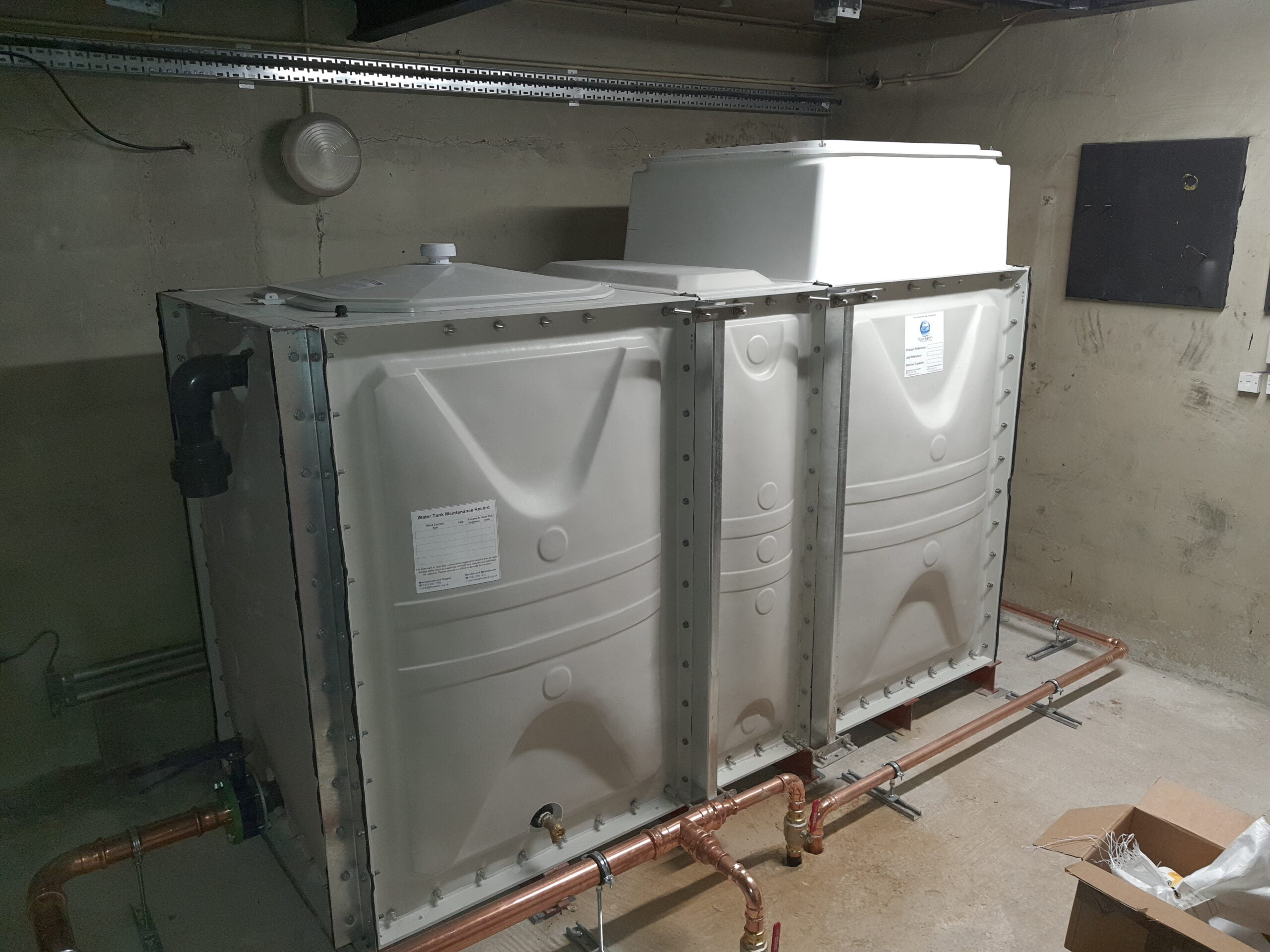
Cold water tank cleaning and disinfection form an integral part of a comprehensive water hygiene management programme. However, these procedures often involve discharging large volumes of clean water—potentially thousands of litres—into the drainage system. As such, cleaning should only be performed when justifiably necessary.
Recommended Scenarios for Tank Cleaning:
- After the installation of a new water tank
- Following unsatisfactory microbiological test results
- If visual inspection reveals evidence of contamination or fouling
- After plumbing works that require internal access to the tank
- Following prolonged periods of disuse in the associated water system
- In response to a confirmed case of Legionnaires’ disease linked to the system
- Upon the recommendation of a qualified service provider, supported by photographic evidence

Is Annual Tank Cleaning Necessary?
There is currently no statutory obligation to perform routine cleaning of cold water storage tanks at fixed intervals. Provided the water supply is of high quality and circulation within the system is adequate, tanks may remain hygienic and serviceable for extended periods without the need for cleaning.
In systems where the tank supplies potable (drinking) water, maintaining cleanliness is critical. In such cases, more frequent cleaning may be required, although annual cleaning is typically unnecessary in most circumstances.
Indiscriminate or overly frequent tank cleaning may be deemed a misuse of water resources and could potentially conflict with the principles outlined in the Water Supply (Water Fittings) Regulations under undue consumption.
Conclusion
From both an economic and environmental standpoint, unnecessary tank cleaning should be avoided. Financial resources can be reallocated to higher-priority remedial works, while water conservation efforts will contribute to safeguarding this essential resource for future generations.





Leave a Reply
You must be logged in to post a comment.